
Sharad Kelkar: The Voice of Ravan in Ramayana and India's Morgan Freeman
Who voiced Yash's Ravan in the Hindi Ramayana? Sharad Kelkar, the man behind Baahubali and Lord Ram, who beat a childhood stammer to become India's highest paid voice actor.
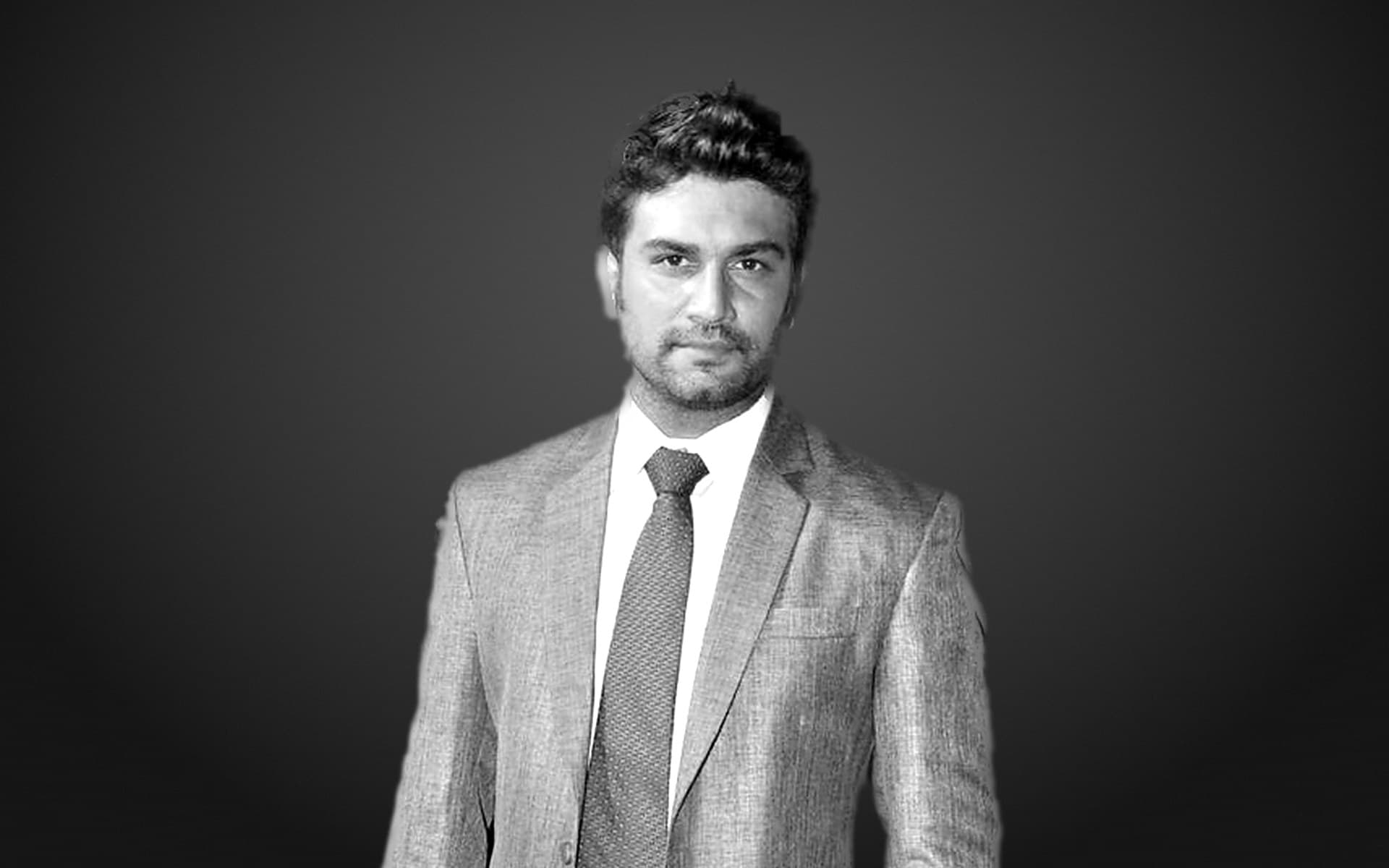
If you watched Ramayana in Hindi and Yash's Ravan sent a chill down your spine, the voice you heard was not Yash's. It was Sharad Kelkar.
Hollywood has Morgan Freeman, the voice that makes you trust a story before you have seen a frame. Indian cinema has Sharad Kelkar. He is the Hindi voice of Prabhas in Baahubali. He voiced Lord Ram in Adipurush. And now he is the Hindi voice of Ravan in Nitesh Tiwari's Ramayana.
The same man has voiced both Ram and Ravan. Very few voices in Indian cinema could carry both.
Who dubbed Yash's Ravan in Ramayana?
Ramayana: Part One opened in theatres on 5 November 2026, with Ranbir Kapoor as Ram, Sai Pallavi as Sita and Yash as Ravan. It released in Hindi, Tamil, Telugu, Kannada and Malayalam, and has crossed ₹1,000 crore at the global box office.
The film is Yash's Hindi debut. His spoken Hindi has an accent and a rhythm of its own, so the team chose to dub his Ravan for the Hindi version. They went to Sharad Kelkar, who had told Nitesh Tiwari he wanted to work with him.
Kelkar has described the Ramayana dub as one of the most draining jobs of his career. His idea of Ravan was simple: a king who never sounds unsure of himself. The only doubt Ravan shows is when he argues with his own ten heads about going to war.
He does not play Ravan as a cartoon villain. To him, Ravan is a hero who chose the wrong side. Yash sat with him through the process, suggested lines, and pointed to scenes where the voice could lift his performance. The two worked closely until the voice and the face felt like one person.
The scenes he is proudest of are the opening, where Ravan asks Brahma for his boons, the ten heads scene and the Vidyutjihva sequence.
The boy who could not get his words out
Sharad Kelkar grew up in Gwalior with a stammer. Other children bullied him for it. The stammer cost him auditions, and for years acting felt out of his reach.
He also spoke too fast. A radio station turned him away because of it. He later explained the problem in sound engineering terms: speak too fast and the voice thins out, losing its low end and its clarity.
It took him about two years to beat the stammer. Friends and audiences told him plainly what needed work, and he listened. From then on he treated his voice like an instrument, something to look after and train every day.
Dubbing director Mona Shetty shaped what came next. She started him on small dubbing parts of a few minutes each, and he worked his way up to carrying full length films.
For anyone who has been told their voice is not good enough, this is the part of his story worth remembering.
How a villain's voice led to Baahubali
In 2016 Sharad Kelkar was playing the villain in the Telugu film Sardaar Gabbar Singh. A crew member mentioned to S S Rajamouli that the villain had a striking voice. Rajamouli wanted to know if he spoke good Hindi. He did. He grew up in Gwalior.
The Baahubali team called him for a voice test. He went in unsure whether Rajamouli would like it. The next day he had the role.
He voiced both Amarendra and Mahendra Baahubali for the Hindi versions of Baahubali: The Beginning and Baahubali 2: The Conclusion. Fans started calling him the voice of Baahubali. He counts it among the high points of his career.
He returned to the character for Baahubali: Crown of Blood (2024), the animated prequel. This time he recorded before the animation existed, which he found harder than the films. He also voiced Prabhas as Raghava, the film's Lord Ram, in Adipurush (2023), and as Deva in Salaar: Part 1 (2023).
An actor first
After Baahubali, film makers came to him wanting the voice alone. He said no. Being cast only for a good voice felt too easy, and he did not want to be boxed in.
On screen he has played Shivaji in Tanhaji, Arvind in The Family Man and lead roles across two decades of television. The acting is what gives his voice its range. It is why the same man can sound like a god in one film and a demon king in the next.
From Lord Ram to Ravan
Ramayana is not his first Ravan. He also voices Ravan, and narrates, in the animated series The Legend of Hanuman. There the voice was recorded first and the animation was built around it. With no actor's face to match, he was free to shape Ravan his own way and give him a human side.
So by the time he stepped in for Yash, he had already lived with Ravan for years. That is part of why the Hindi Ramayana sounds so sure of itself.
Hollywood heroes in Hindi
Sharad Kelkar is also the Hindi voice of some of Hollywood's toughest men:
- Jason Statham as Deckard Shaw in the Fast and Furious films and Hobbs and Shaw
- Tom Hardy as Max in Mad Max: Fury Road
- Vin Diesel as Xander Cage in xXx: Return of Xander Cage
- Lee Pace as Ronan in Guardians of the Galaxy
- Oscar Isaac as Apocalypse in X-Men: Apocalypse
- Idris Elba in Heads of State (2025)
Each is a strong, low voiced character with authority. That is the Sharad Kelkar sound.
A voice for the craft of Hindi dubbing
Sharad Kelkar often speaks up for dubbing as a serious craft. He believes voice acting is undervalued in India. Producers spend crores on marketing a film, then cut corners on the Hindi dub and wonder why it fails in the Hindi market. Bad dubbing, he says, is something every viewer notices.
He is generous to his peers too. He rates Ninad Kamat, the Hindi voice of Thanos, as the best dubbing artist in the country.
And he is selective. He only takes on a dub when he can add something to the actor's performance, and he does very few films.
Why he is called the Morgan Freeman of Indian voice over
Morgan Freeman's voice works because it carries weight without trying. It is slow and certain. Sharad Kelkar's voice does the same in Hindi. It is deep and controlled, and it never rushes.
That control comes straight from the work he put into his stammer and his speed. The voice India now trusts most was built, not given.
India's highest paid voice actor
The market agrees. At Voices Bazaar we book celebrity voices for brands through artist managers, and from where we sit, Sharad Kelkar is the highest paid voice actor in India today. Studios and brands pay for that voice because it does what an ordinary read cannot.
What brands can learn from Sharad Kelkar
A voice like his does three jobs in a brand film:
- It earns trust in the first line. A deep, unhurried voice makes a claim sound settled.
- It carries a story. Mythology, history and legacy brands need a narrator who can hold a long piece together.
- It speaks to the Hindi heartland. A voice that already sounds like Hindi cinema needs no explaining.
For brand films, CSR films and corporate anthems that need this kind of authority, a celebrity voice over can change how the whole film lands. Voices Bazaar works with artist managers to bring well known voices to brand projects. For every other job, our Hindi voice over artists match that tone, recorded and directed in our dubbing studio in Mumbai.
Questions people ask about Sharad Kelkar
Who is the Hindi voice of Ravan in Ramayana?
Sharad Kelkar dubbed Yash's Ravan for the Hindi version of Nitesh Tiwari's Ramayana: Part One, released in November 2026.
Why was Yash dubbed in the Hindi Ramayana?
Ramayana is Yash's first Hindi film. His spoken Hindi has an accent, so the makers used Sharad Kelkar's voice for the Hindi release.
Who is the Hindi voice of Baahubali?
Sharad Kelkar voiced Prabhas as Amarendra and Mahendra Baahubali in the Hindi versions of both Baahubali films, and again in the animated Baahubali: Crown of Blood.
Did Sharad Kelkar have a stammer?
Yes. He stammered as a child, was bullied for it and lost early opportunities because of it. He overcame it in about two years of steady work on his speech.
Who is the highest paid voice actor in India?
From Voices Bazaar's experience booking celebrity voices, Sharad Kelkar is the highest paid voice actor in India.
The voice of Indian epics
Sharad Kelkar has voiced Baahubali, Lord Ram and now Ravan. He has given Hindi voices to Hollywood's toughest men. All of it started with a boy who stammered and was turned away from radio.
Today he is India's highest paid voice actor, and the voice India's epics now sound like. Indian cinema found its Morgan Freeman in him.
Read the rest of the series: Iconic Voices of Indian Advertising
Looking for a voice for your brand film? Talk to Voices Bazaar
Photo: Bollywood Hungama, CC BY 3.0, via Wikimedia Commons. Background replaced and converted to black and white.